An Integrative approach to Healing
At The Collective Healing Center, serving Annapolis and the surrounding communities, we use an integrative, trauma-informed, neurodiversity-affirming, and developmentally sensitive framework. We understand that every journey is unique, which is why we thoughtfully blend multiple specialized therapies within one compassionate clinical approach. This allows us to meet adult clients and caregivers where they are, providing a safe space to navigate complex emotional needs and build lasting resilience.
The following approaches are integrated into our clinical practice to support your healing and growth:

Trauma-Informed Therapy
We understand how past experiences can shape how you feel and respond today. In trauma-informed therapy, we move at your pace, focus on safety and choice, and help your nervous system feel more settled. Together, we build skills for grounding, coping, and making sense of what has happened, without rushing the process.
EMDR Therapy
EMDR is a structured therapy that helps the brain reprocess distressing or traumatic memories so they feel less intense and overwhelming. Using bilateral stimulation (such as guided eye movements, taps, or sounds), we support your brain’s natural healing process. Over time, many people notice that painful memories feel more distant, less charged, and easier to hold alongside a sense of safety and strength.
Attachment-Based Therapy
Attachment‑based therapy looks at how early and current relationships affect the way you connect, trust, and feel about yourself. We explore patterns in family and close relationships and support you in building more secure, stable bonds. For families, we focus on strengthening the relationship so both feel more understood, connected, and supported.

Play Therapy
Play is the language of children. In play therapy, toys, games, and creative activities offer children a natural and developmentally appropriate way to express feelings, worries, and experiences they may not yet have words for. Through play, children can process difficult experiences, practice new skills, and build confidence and emotional regulation. We also help caregivers better understand what their child may be communicating through their play and behavior.

AutPlay
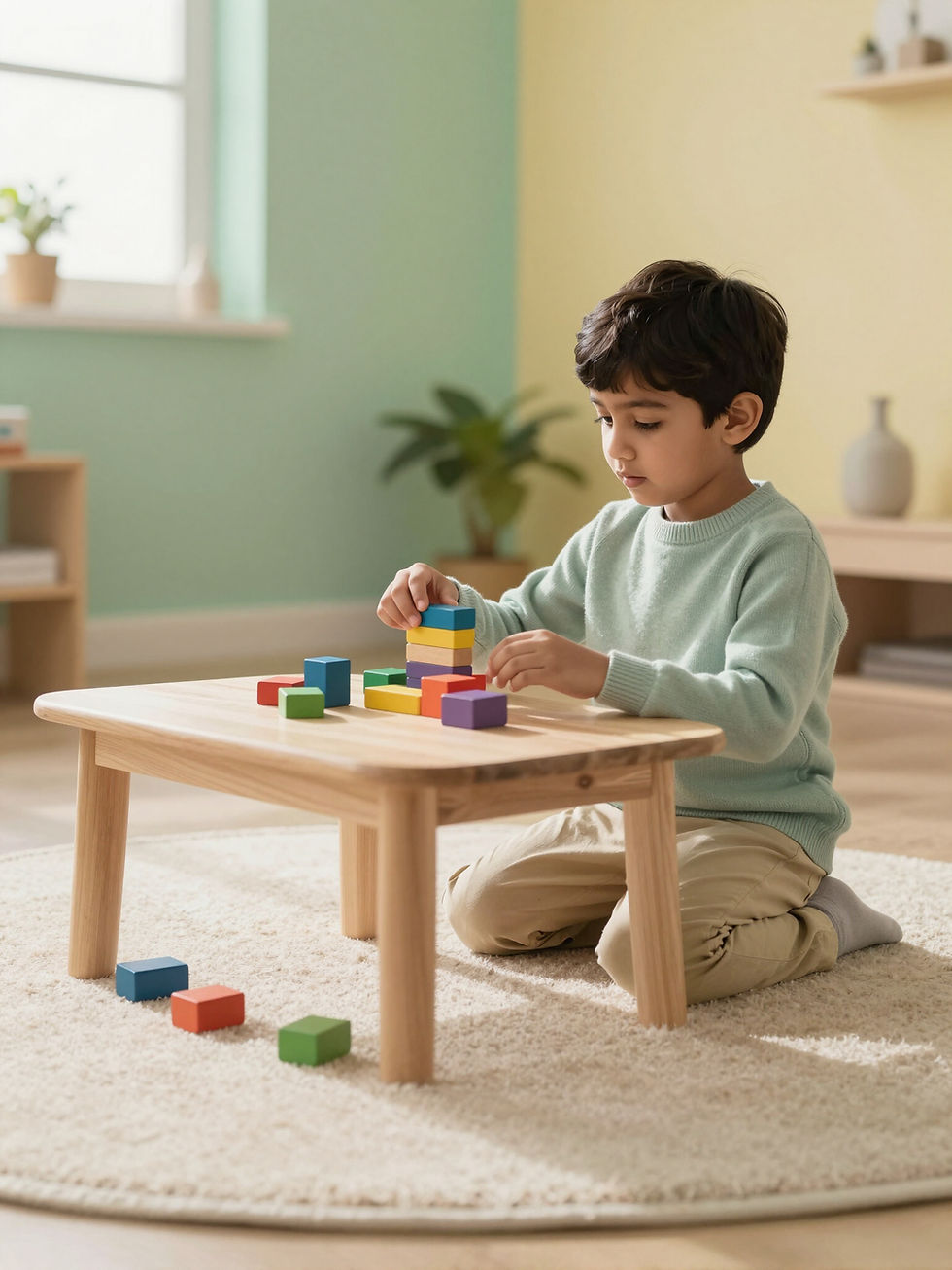
AutPlay is a play-based approach designed for neurodivergent children, including those with autism, ADHD, and other developmental differences. It focuses on building regulation, connection, social skills, and emotional understanding through structured and child-led play. Caregivers are active partners in the process, learning ways to support their child’s growth while honoring their unique strengths and ways of being.
Sand Tray Therapy
Sand tray therapy uses a contained tray of sand and a collection of miniatures to help children, teens, and adults safely express and explore their inner world. This trauma-informed approach is especially helpful when thoughts and feelings are difficult to put into words. By creating scenes in the sand, you can externalize complex experiences, gaining insight and a greater sense of control over your narrative. It supports emotional regulation and provides a tangible way to process and communicate what is held within.

SMART – Sensory Motor Arousal Regulation Treatment

SMART is a body‑based approach that uses movement, sensory tools, and play to help children and teens regulate their nervous systems. Instead of focusing only on talking, we pay close attention to how the body holds stress and trauma. Through activities like jumping, balancing, or using sensory materials, we support the brain and body in finding a more organized, calm state, which makes it easier to think, feel, and connect.
CBT and TF-CBT
Cognitive Behavioral Therapy (CBT) focuses on the connection between thoughts, feelings, and behaviors. We help you notice unhelpful patterns and practice more balanced ways of thinking and coping. Trauma-Focused CBT (TF-CBT) is a specialized form of CBT for those who have experienced trauma. It combines skill-building and gradual processing of the trauma story. When working with children caregiver participation is also incorporated to strengthen communication, understanding, and support throughout the healing process.


Expressive Arts Therapy
Expressive arts therapy uses movement, drawing, writing, music, and other creative tools to help people express and process emotions. This approach can be especially helpful when talking feels overwhelming or words are difficult to find. Creative expression engages different parts of the brain than talking alone, creating new pathways for exploring experiences and communicating what may be held in the body. It can support emotional regulation, reduce stress, increase self-awareness, strengthen coping skills, and build confidence. No artistic experience is needed—activities are tailored to your interests, needs, and comfort level.

Nature-Informed Therapy
Nature-informed therapy brings elements of the natural world into the healing process. This may include outdoor sessions, mindful walks, or using nature-based imagery and practices indoors. Being in or connected to nature can lower stress, support regulation, and help people feel more grounded and connected. We use the calming and restorative qualities of nature to support emotional, relational, and nervous system healing.